
Qigong for Emotional Balance: Techniques to Ease Emotional Overwhelm

Life can sometimes feel like a heavy weight pressing down on us. When emotions swirl uncontrollably, it’s easy to feel lost or stuck. I’ve found that gentle, mindful practices like qigong offer a way to reconnect with calm and regain balance. Qigong is an ancient Chinese practice that combines movement, breath, and intention to harmonise the body and mind. Today, I want to share some simple qigong techniques that can help ease emotional overwhelm and bring a sense of peace.
Understanding Qigong for Emotional Balance
Qigong is more than just physical exercise. It’s a holistic approach that nurtures your energy, or “qi,” helping it flow smoothly through your body. When emotions become overwhelming, this flow can get blocked or stuck, leading to tension, anxiety, or sadness. Practising qigong encourages gentle movement and deep breathing, which can release these blockages and restore emotional balance.
The beauty of qigong is that it’s accessible to everyone. You don’t need to be flexible or strong. The movements are slow and deliberate, inviting you to tune into your body and breath. This mindful attention helps you become aware of your emotional state without judgement. Over time, this awareness can soften intense feelings and create space for healing.
Here are some key benefits of qigong for emotional wellbeing:
Reduces stress and anxiety by calming the nervous system
Enhances mood through gentle physical activity and breath control
Improves sleep quality by promoting relaxation
Builds resilience to emotional challenges by fostering inner calm
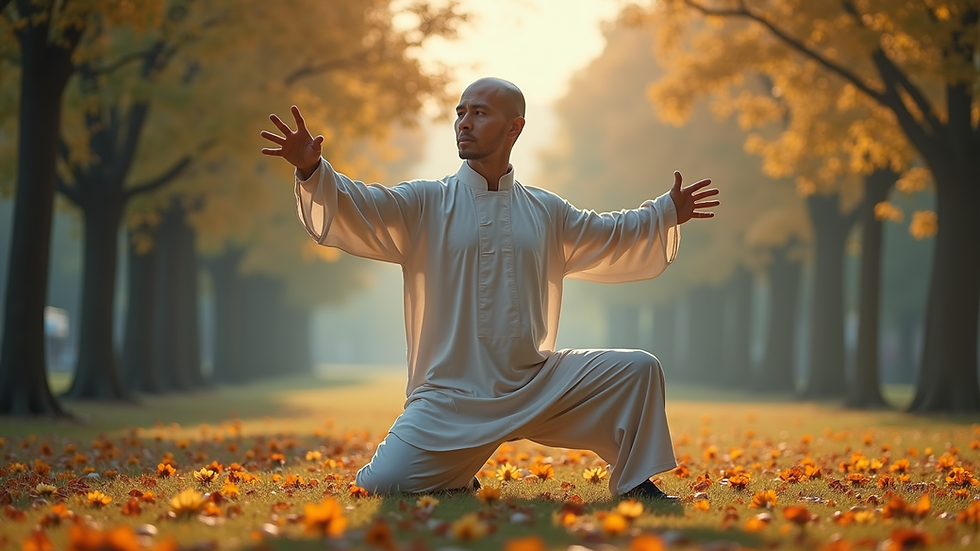
Simple Qigong Techniques to Try at Home
You don’t need special equipment or a lot of time to start. These techniques are easy to learn and can be done in a quiet corner of your home or outside in nature. Try to set aside 10 to 15 minutes daily to connect with your breath and body.
1. The Opening Breath
Begin by standing with your feet shoulder-width apart. Let your arms hang loosely by your sides. Close your eyes if you feel comfortable.
Take a slow, deep breath in through your nose, feeling your belly expand.
Raise your arms gently in front of you, palms facing up, as you inhale.
Exhale slowly through your mouth, lowering your arms back down.
Repeat this 5 times, focusing on the sensation of breath and movement.
This simple exercise helps you centre your attention and invites calm energy into your body.
2. The Gentle Wave
This movement mimics the flow of water, encouraging your energy to move smoothly.
Stand with feet hip-width apart.
Slowly sway your arms from side to side, as if you are gently pushing water.
Coordinate your breath with the movement: inhale as you sway to one side, exhale as you sway back.
Keep your knees soft and your movements fluid.
Continue for 1 to 2 minutes.
This technique can ease tension in your shoulders and back, common areas where emotional stress accumulates.
3. The Healing Touch
This exercise uses gentle self-massage to soothe emotional tension.
Place your hands on your lower ribs, just beneath your chest.
Breathe deeply and slowly, feeling your hands rise and fall with your breath.
After a few breaths, move your hands in small circles, applying gentle pressure.
Shift your hands to your abdomen and repeat the circular motion.
Continue for 3 to 5 minutes.
This touch connects you with your body’s core, grounding you in the present moment.

How to Release a Trapped Emotion?
Sometimes, emotions get stuck deep inside us, creating a sense of heaviness or discomfort. Qigong can help release these trapped feelings by encouraging gentle movement and mindful breathing.
Here’s a simple approach to work with trapped emotions:
Identify the Emotion
Sit quietly and ask yourself what you are feeling. It might be sadness, anger, fear, or something else. Naming the emotion is the first step to releasing it.
Focus on the Body Sensation
Notice where you feel this emotion in your body. Is it a tightness in your chest? A knot in your stomach? Bring your attention there without trying to change it.
Use Qigong Movement
Choose a gentle qigong movement, like the Gentle Wave or the Opening Breath. As you move, imagine the emotion flowing out of your body with each breath and motion.
Visualise Release
Picture the trapped emotion dissolving or flowing away like water. Allow yourself to feel lighter and more open.
Rest and Reflect
After your practice, sit quietly for a few moments. Notice any shifts in your mood or body. Be kind to yourself, knowing this process takes time.
This mindful approach helps you acknowledge and gently let go of emotional burdens, creating space for healing.
Incorporating Qigong into Your Daily Routine
Consistency is key when it comes to emotional healing. Even a few minutes of qigong each day can build resilience and calm. Here are some tips to make it part of your life:
Set a regular time - Morning or evening works well to start or end your day with calm.
Create a peaceful space - Find a quiet spot where you won’t be disturbed.
Use reminders - Set a gentle alarm or note to prompt your practice.
Combine with other self-care - Pair qigong with journaling, meditation, or a warm bath.
Be patient - Emotional balance takes time. Celebrate small moments of peace.
If you’re new to qigong, consider watching beginner videos or joining a local class to deepen your understanding. The gentle rhythm of qigong can become a trusted companion on your journey through emotional challenges.
Embracing Calm with Qigong for Emotional Overwhelm
When emotions feel too much, it’s important to have tools that bring you back to yourself. I encourage you to explore qigong for emotional overwhelm as a gentle, effective way to soothe your mind and body. This practice invites you to slow down, breathe deeply, and reconnect with your inner calm.
Remember, you are not alone in this. Each breath and movement is a step toward healing and balance. With patience and kindness, qigong can help you navigate life’s storms with greater ease and grace.
Take a moment now to breathe deeply, feel your feet on the ground, and welcome peace into your day. Your emotional wellbeing matters, and gentle practices like qigong can support you every step of the way.


Comments